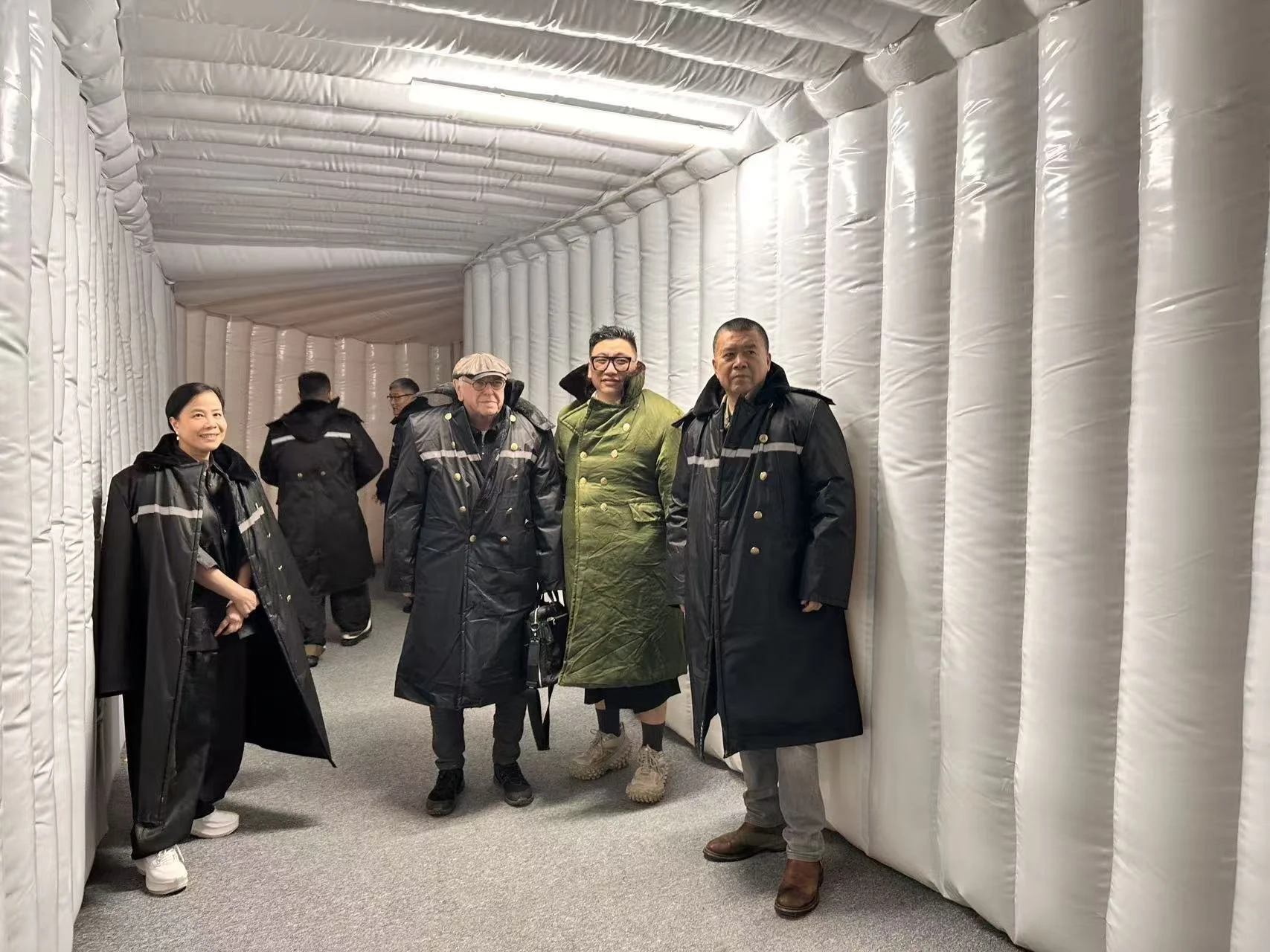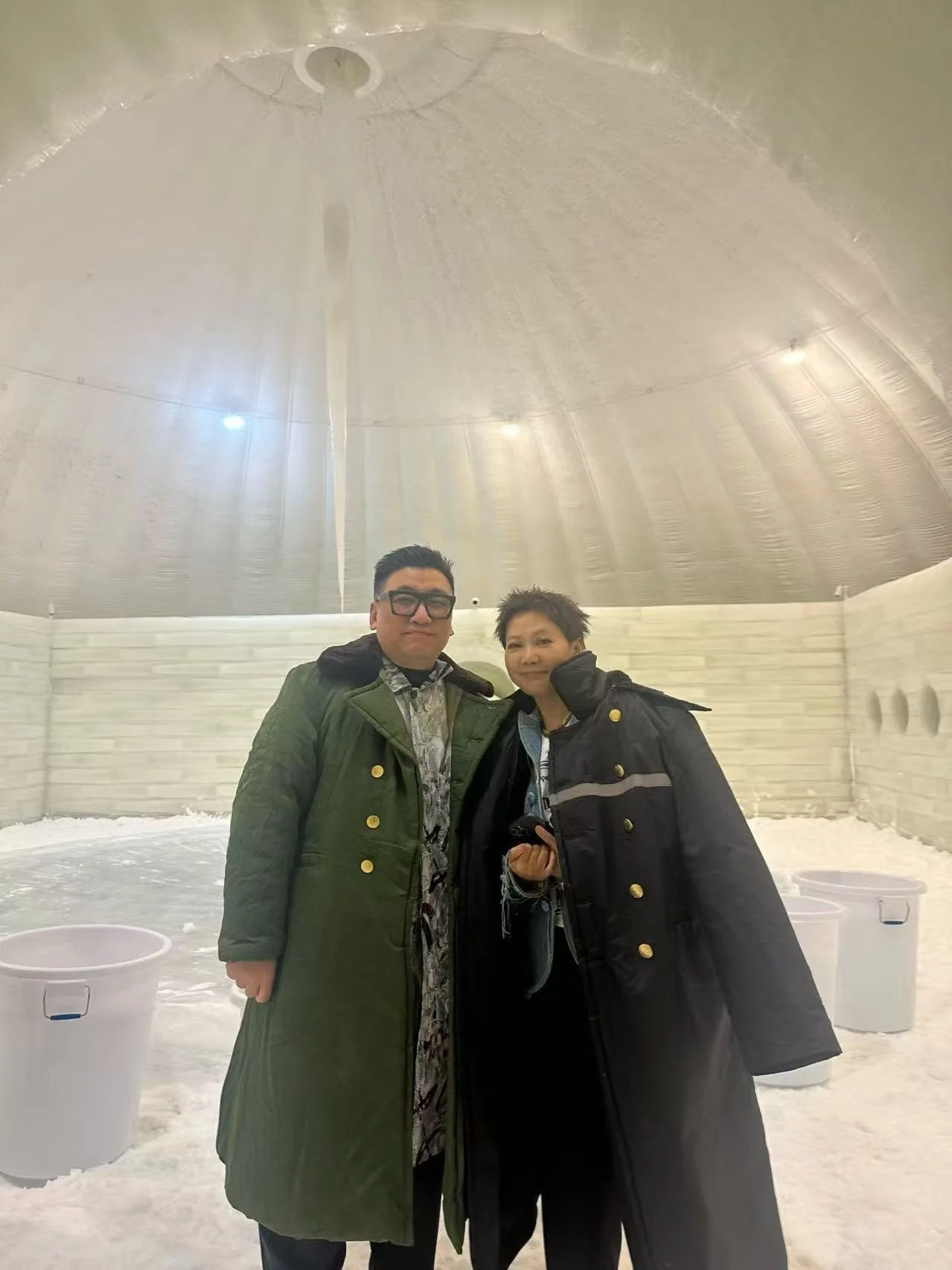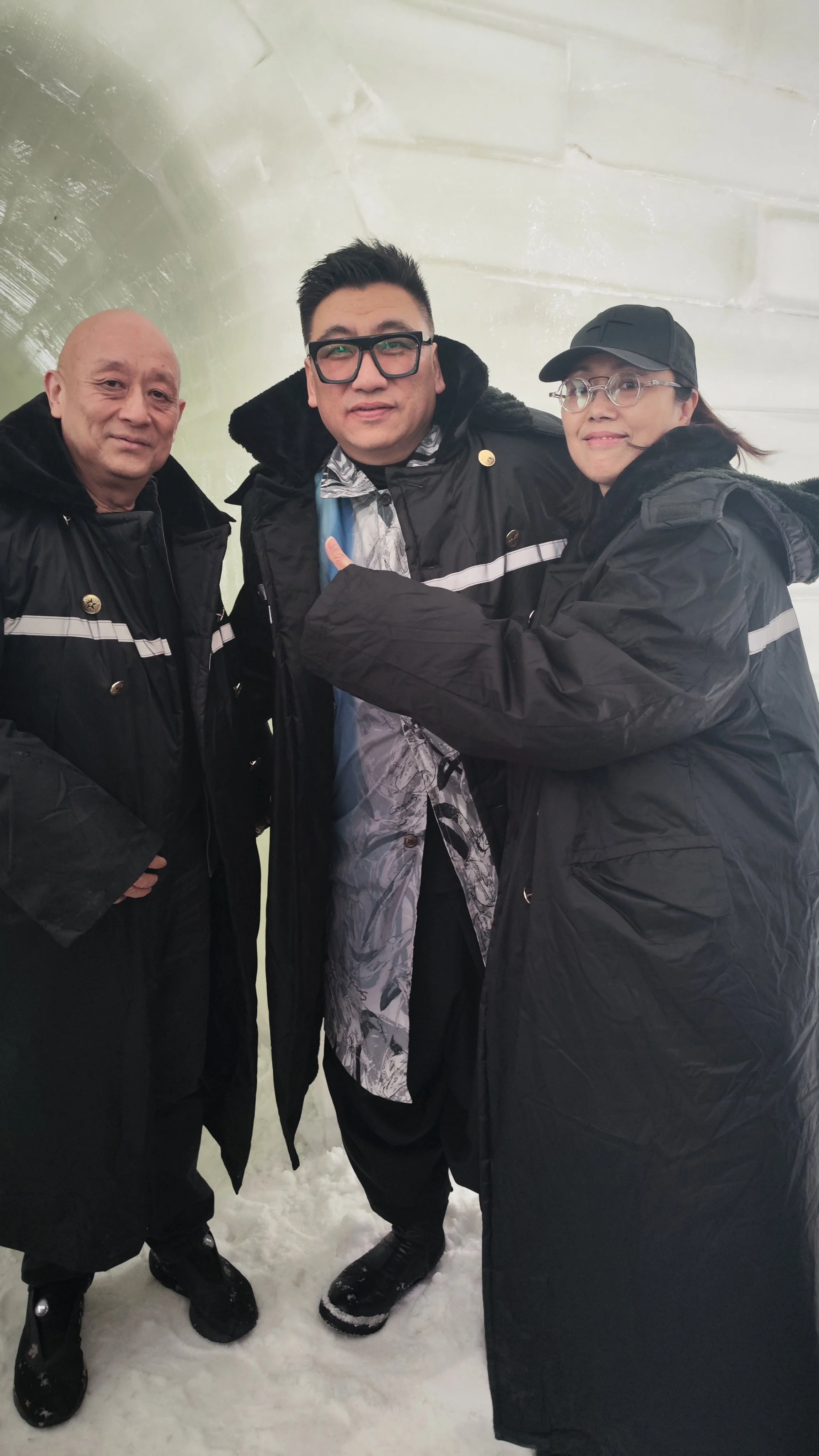
零下二十度 -20 degree
打个响指吧,他说
我们打个共鸣的响指
遥远的事物将被震碎
面前的人们此时尚不知情
吹个口哨吧,我说
你来吹个斜斜的口哨
像一块铁然后是一枚针
磁极的弧线拂过绿玻璃
喝一杯水吧,也看一看河
在平静时平静,不平静时
我们就错过了一层台阶
一小颗眼泪滴在石头上
很长时间也不会干涸
整个季节将它结成了琥珀
块状的流淌,具体的光芒
在它身后是些遥远的事物
引自《漫长的季节》班宇
许多年前,北京下雪的日子,我穿棉衣棉裤,巨大的棉手套挂在脖子上,棉鞋里全是雪,脸上是红色的雾气。我一蹦一跳的,向家里,或是去学校的路上,大雪中的脚印,一瞬间就不见了,大雪及腰时,突然停了。一切在白茫茫中,异常寂静。彼时,我应该已经到了学校,在火炉边,拿出铝制饭盒,和同学们一样,把饭盒摞起来。我没认真听老师讲课,一直望向窗外,阳光明亮透彻,远处的天是淡蓝的。
气候变化,寒冷和温暖,光谱之下,中国南北地,由“暖气”分,潮湿而寒冷的冬天,干燥而温暖的冬天,看似如此不相及,却是真实生活写照。2026年的冬天,我从重庆、北京、苏黎世、都灵,一路走来,气温都是相近的,重庆在下雨,北京有大风,苏黎世大雪不停,都灵却阳光灿烂。此前,我还在沙特的利雅得,要走的前一天,2025年12月14日,突然下雨了,本地人异常雀跃,久违了的天降甘霖。
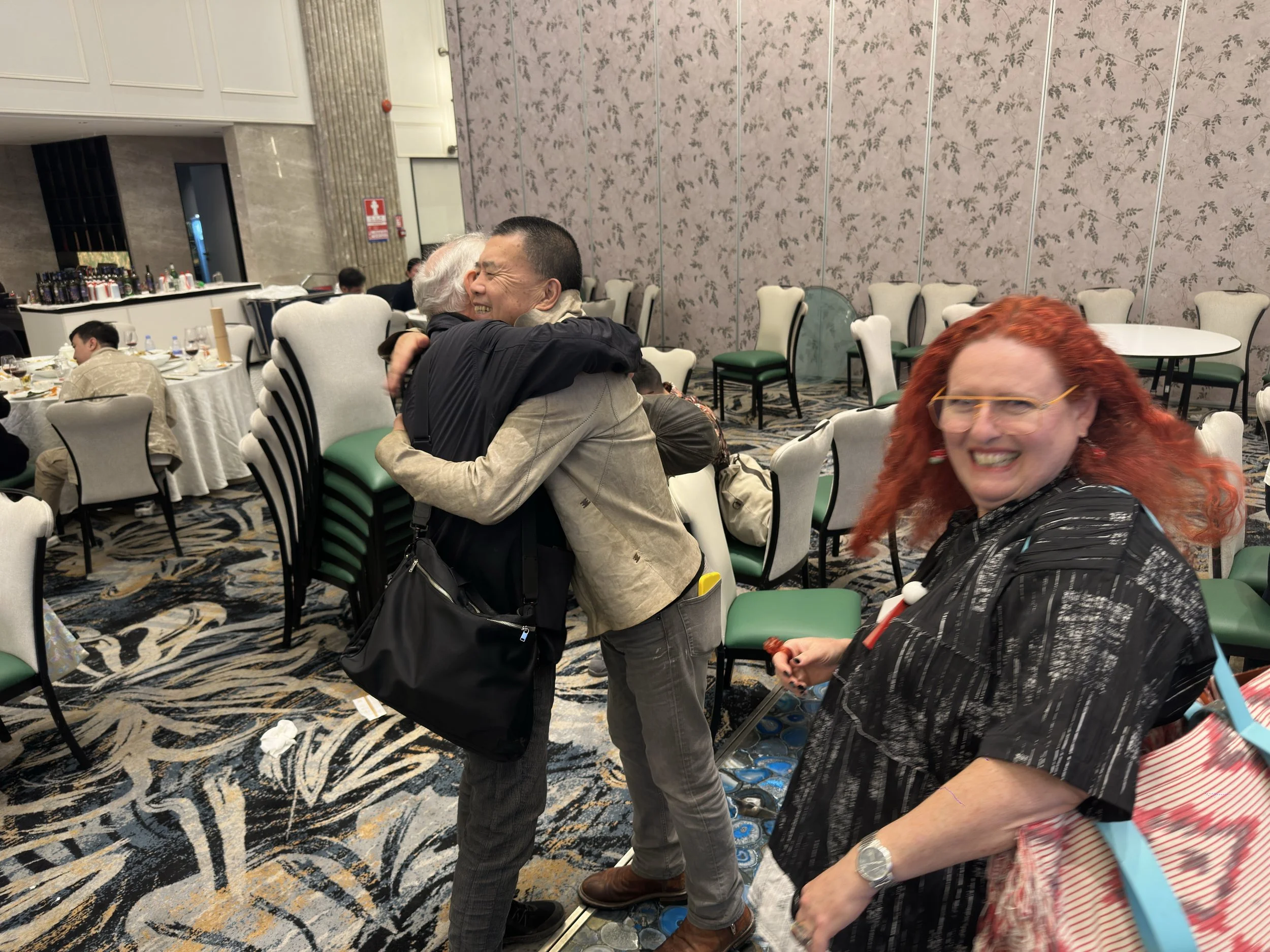
2025年最后的几天,我去深圳,见沈少民和一群朋友,夜晚的餐厅,饮酒,聊天,户外的街灯下,享受着冬日微寒,大家都有些醉意。仰望天空,能清晰看到月亮和云层,光微微的透出来。然后,我们叫车,纷纷离开,不远处是深港双年展的“电话亭”矩阵,静静伫立在月光中。记得我和沈少民谈到,艺术在任何时候,都会出其不意的——出现。
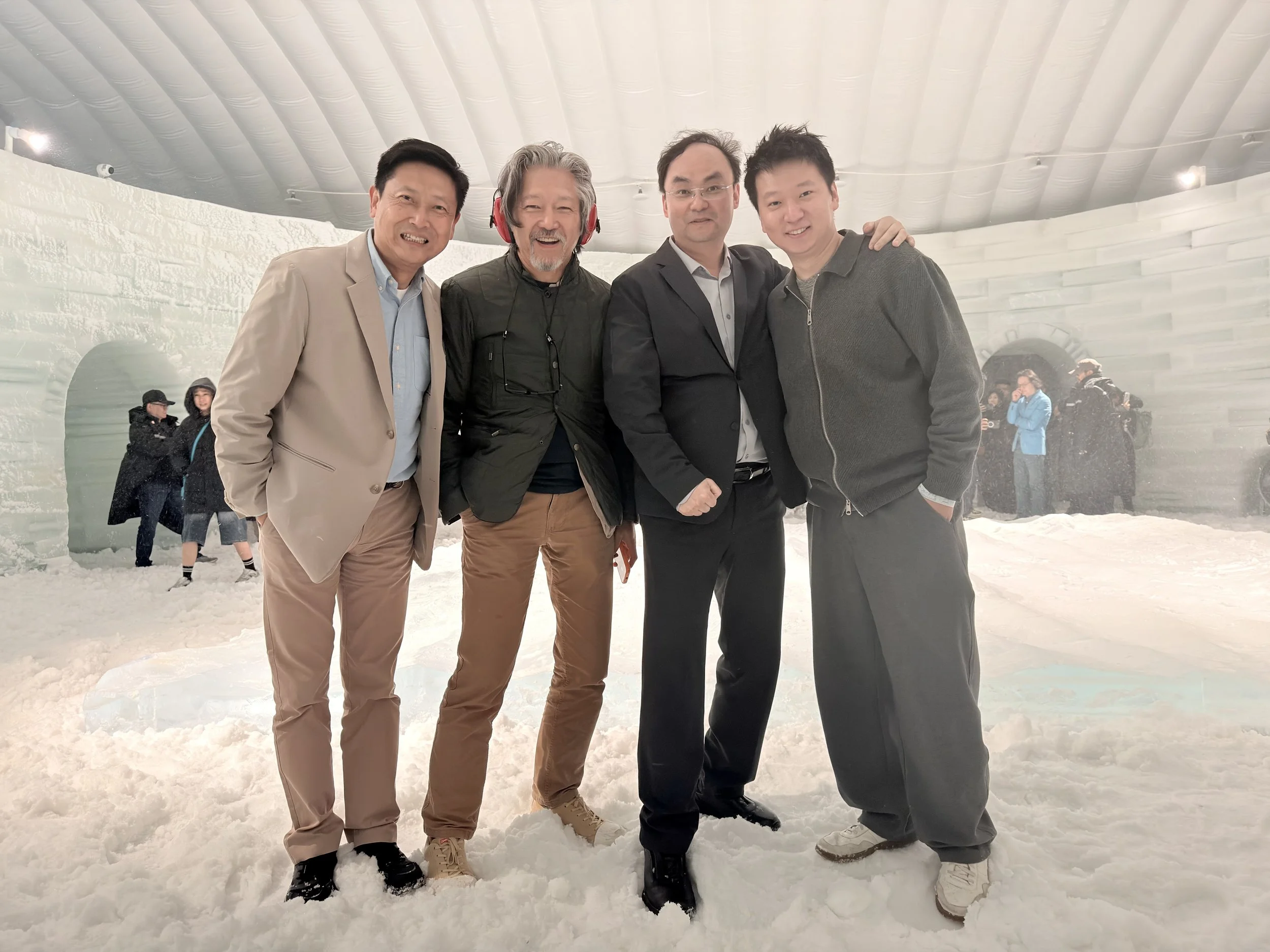
沈少民的个展,在没有艺术市场的期待,没有经济繁盛的支撑,仅仅为了艺术——更纯粹。这是一个向内看的展览,沈少民没能抑制思乡之情,没能通过矫饰的当代艺术修辞,遮盖住这个项目的纯真,一切情感的释放,是平静的,也是内心的暴风雪。但都会归于寂静,和体感的共鸣。人从何处来,要到何处去?沈少民终于可以不必显露技巧和诗情,聚焦在极简的材料中,让情感抑制在气候变化的冲突中。异乡人的他乡,亦是故土。
近年来,“东北文艺复兴”主要还是在小说和电视剧领域,连带着一些歌唱家和喜剧明星。而东北文艺复兴背后,是东北80年代后转型的种种,煤矿、老工厂,下海的人,在任何可能的方向上,寻找着未来的生活,追寻梦想是奢侈的,不知所措的人,在不可逆的现实中,只能“往前看,不回头。”是文学,为现实撕开了口子,在巨大的冲击中,我们也才能相互感知对方的悲喜,与时代的不可逆。是艺术在传递“人”的感知,莫名的,实在的,在拥有你我的空间中。也许,这是最好和最后的时刻,在科技巨浪,真正到来之前。
很多居住在北方地区的人,喜欢追寻温暖天气,在海南、三亚、深圳、山东等地。带着伟大的的家乡菜。迁徙和流动的,什么才是不变的?哪里是他乡,哪里又是故乡?人类生存的现实里,总面临类似的境遇,如何活下去和如何活着,一个是物竞天择,一个是文明给予的,人体面的选择。
记得,有一年,广州突然下雪了,终于可以堆雪人了,人们欢呼雀跃,不足10厘米的小雪人,突然出现在朋友圈,惊喜之情,无法阻挡。
关于展览《零下20度》,我想引用双雪涛说的这段话,最能诠释这个展览内在的平静和暴风雪。
“最要紧的是,我们首先应该善良,其次要诚实,再其次是以后永远不要相互遗忘。” 引自陀思妥耶夫斯基《卡拉马佐夫兄弟》
李振华
写于都灵 2026年1月13日
Snap your fingers, he said
Let's snap in resonance
Distant things will shatter
Those people facing us remain unaware
Whistle, I said
Blow a lilting whistle
Like a piece of iron, then like a needle
Magnetic arcs brush through green glass
Drink a cup of water, and gaze upon the river
When it is still, it is still; when it is not
We miss a step
A tiny tear falls upon the stone
It will not dry for a long time
The entire season crystallises it into amber
A chunky flow, a tangible radiance
Behind it lie distant things
From The Long Season by Ban Yu
Many years ago, on snowy days in Beijing, I wore padded cotton coats and trousers, huge cotton gloves dangling from my neck, snow-filled boots, my face in a red mist. I hopped and leapt along the way home or to school, footprints vanishing instantly in the deep snow. When the snow reached my waist, it suddenly stopped. All was shrouded in white, an eerie stillness. By then, I must have reached school, standing by the stove. I took out my aluminium lunchbox and stacked it with the others, just like my classmates. I paid little heed to the teacher's lesson, then my gaze fixed on the window. The sunlight was bright and clear, and the distant sky was a pale blue.
Climate shifts, from cold to warm, across the spectrum: China's north and south, divided by heating systems. Damp, frigid winters versus dry, mild ones—seemingly worlds apart, yet a true reflection of daily life.
This winter of 2025, travelling from Chongqing to Beijing, Zurich, and Turin, the temperatures remained remarkably similar. Chongqing was rainy, Beijing windy, Zurich blanketed in relentless snow, while Turin basked in glorious sunshine. Earlier, in Riyadh, Saudi Arabia, on the eve of my departure—14 December 2025—rain suddenly fell. The locals rejoiced, delighted by this long-awaited blessing from the heavens.
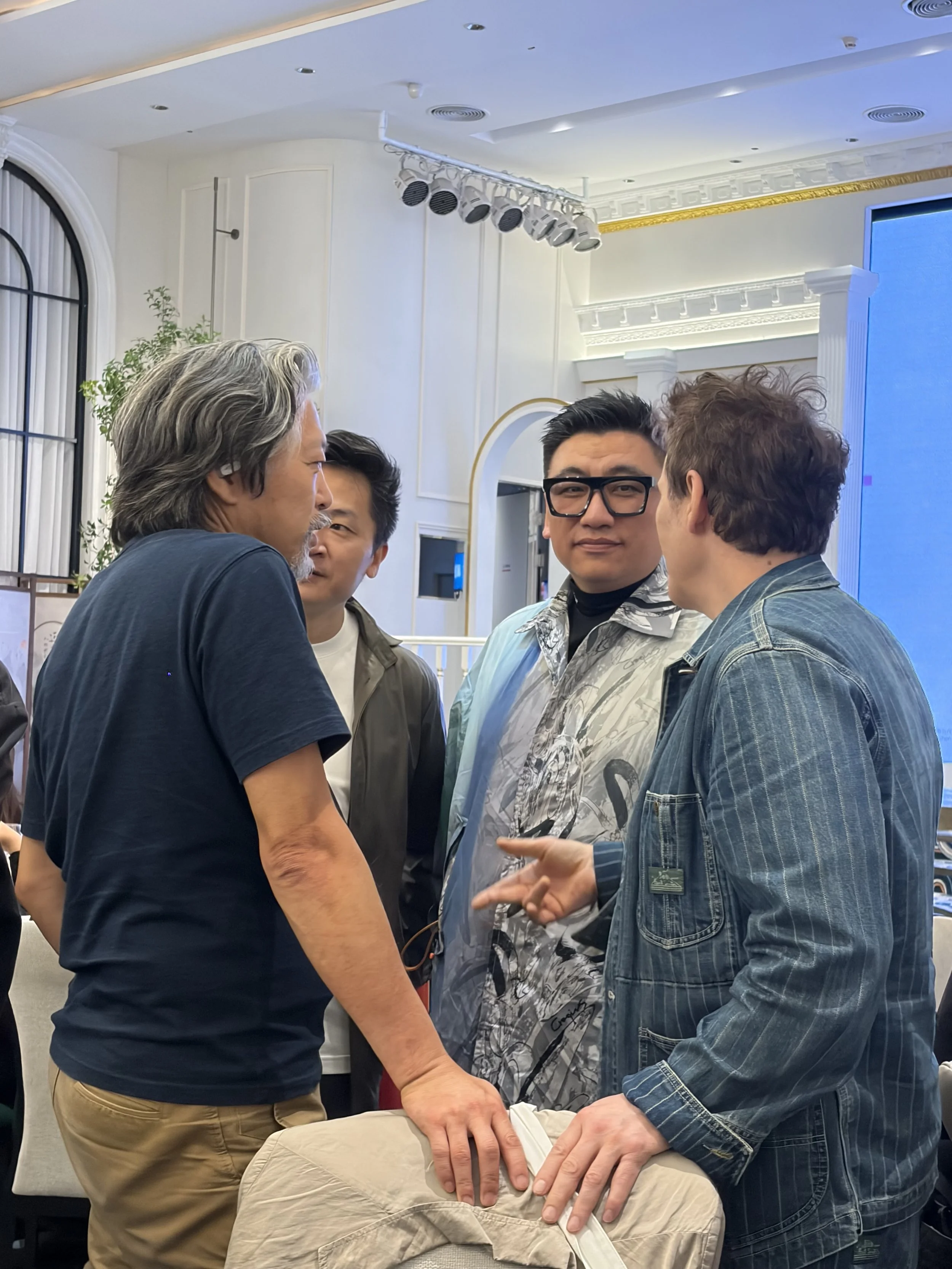
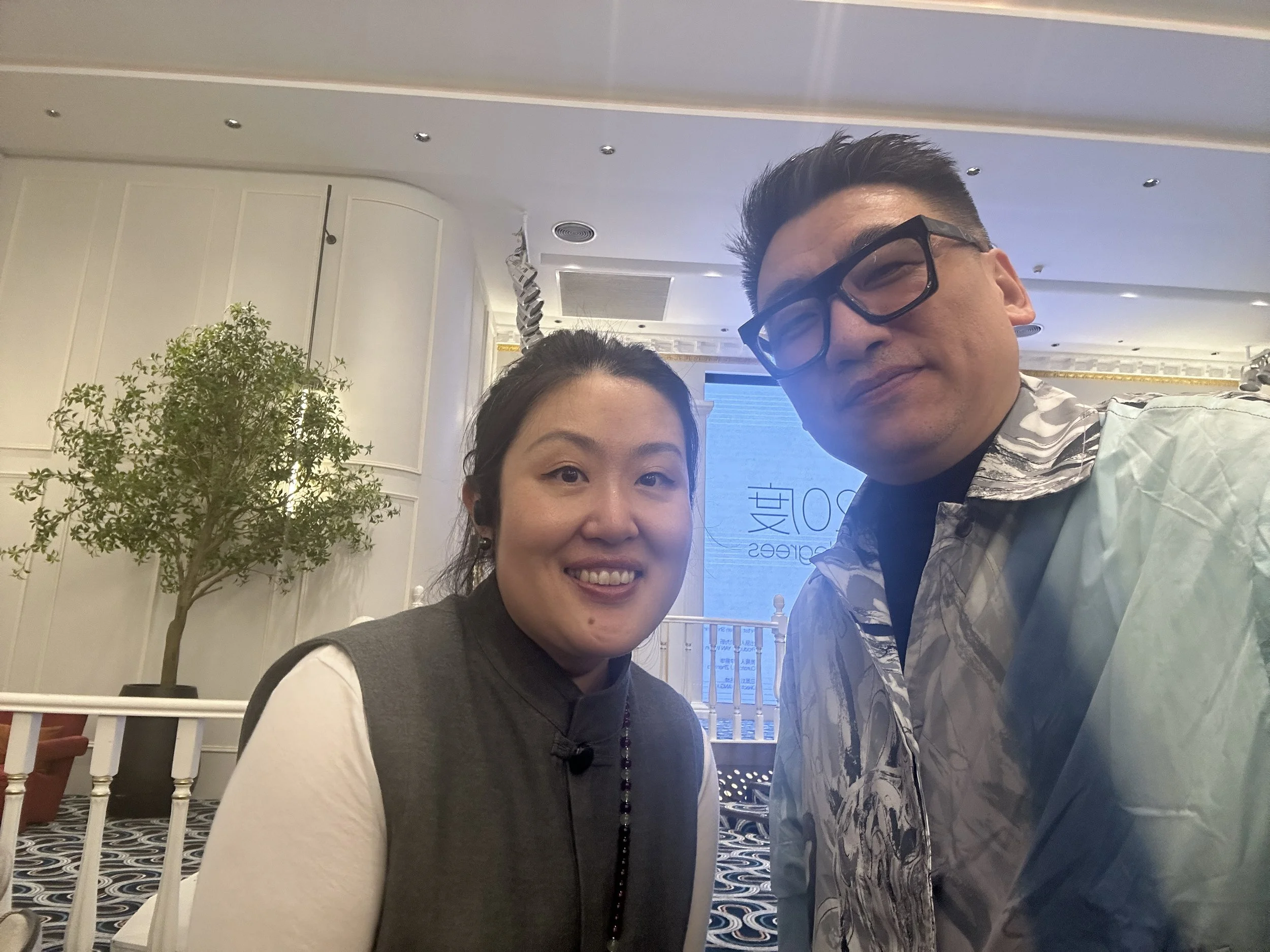
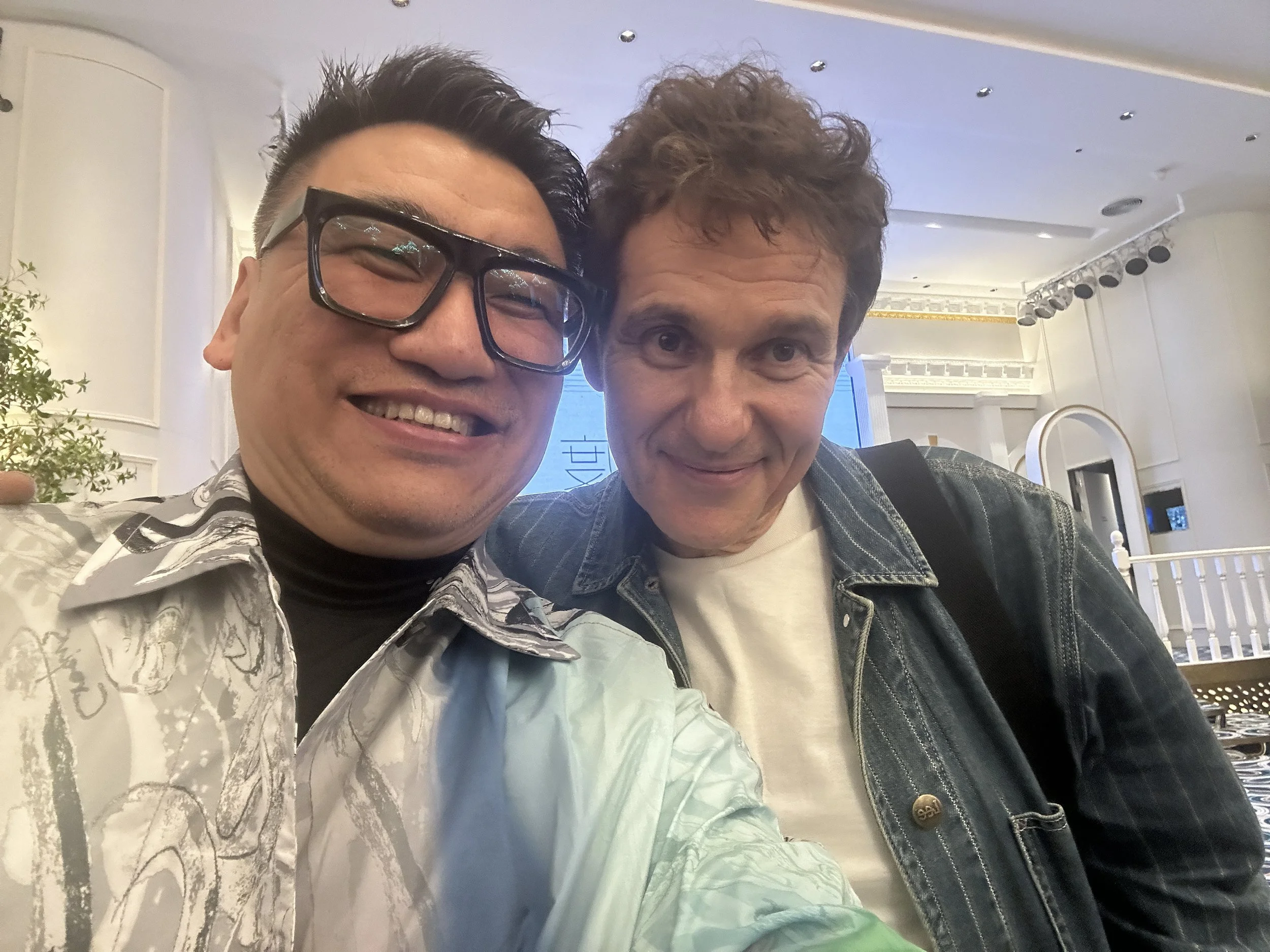
In the final days of 2025, I travelled to Shenzhen to meet Shen Shaomin and a group of friends. In the evening restaurant, we drank and chatted beneath the streetlamps, savouring the mild winter chill. All were somewhat merry. Gazing skyward, the moon and clouds were distinctly visible, their light softly filtering through. Then, we hailed taxis and departed one by one. Not far away stood the ‘Telephone Booth’ matrix from the HONG KONG & SHENZHEN BI-CITY BIENNALE OF URBANISM\ ARCHITECTURE, quietly poised in the moonlight. I recall discussing with Shen Shaomin how art, at any moment, would unexpectedly appear.
Shen Shaomin's solo exhibition existed without the expectations of the art market, without the backing of economic prosperity, solely for art's sake—more pure. It is an exhibition turned inward. Shen Shaomin could not suppress his homesickness, nor could he mask the project's innocence with the affected rhetoric of contemporary art. The release of all emotion is tranquil, yet an inner blizzard. But it all returned to stillness, resonating with bodily sensation. Where do we come from, and where are we all bound? Shen Shaomin finally need not display technique or poetic sentiment, focusing instead on minimalist materials, restraining emotion within the clash of shifting climates. The foreign land of the stranger is also the homeland.
In recent years, the ‘China's Northeast Renaissance’ has primarily flourished in novels and television dramas, accompanied by singers and comedians. Behind this cultural resurgence lies the Northeast's post-80s transformation: coal mines, ageing factories, and those who ventured into business. Seeking a future livelihood in any direction, pursuing dreams became a luxury. Adrift in irreversible realities, people could only ‘look forward, never back.’ Literature tears open a fissure in reality. Amidst immense upheaval, it allows us to perceive each other's joys and sorrows, and the irreversibility of our times. Art conveys the human experience – inexplicable yet tangible – within the shared space we occupy. Perhaps this is the finest and final moment, before the true arrival of the technological tidal wave.
Many northerners seek warmer climes in Hainan, Sanya, Shenzhen, Shandong – carrying their cherished hometown dishes. Amidst migration and flux, what remains constant? Where lies the foreign land, where the homeland? Human existence perpetually confronts such dilemmas: survival versus living. One is nature's selection; the other, civilisation's gift – the dignified choice for humankind.
I recall one year when Guangzhou was suddenly blanketed in snow. At last, people could build snowmen! Cheers erupted as tiny figures, barely 10 centimetres tall, appeared in social feeds. The sheer delight was infectious.
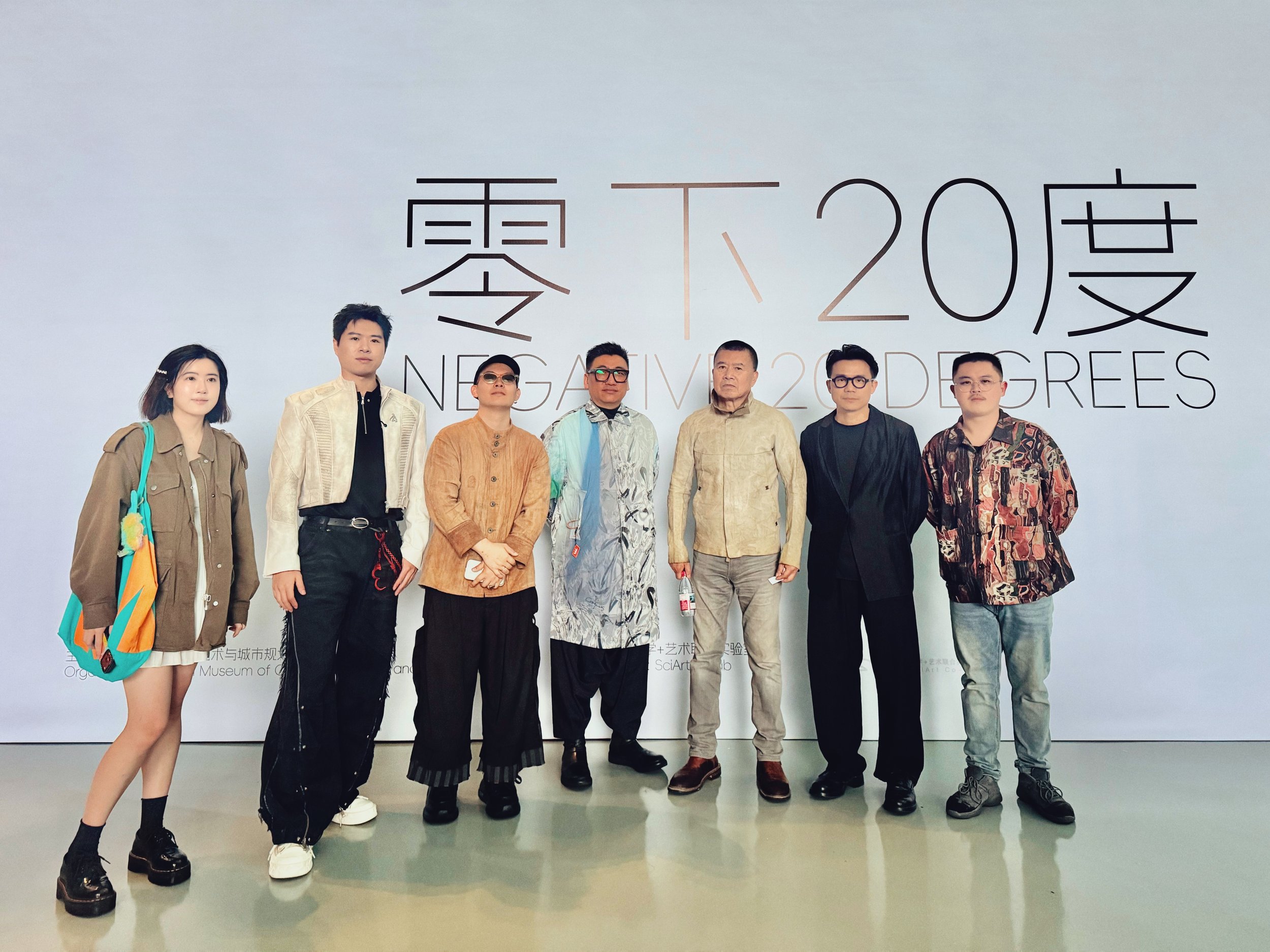
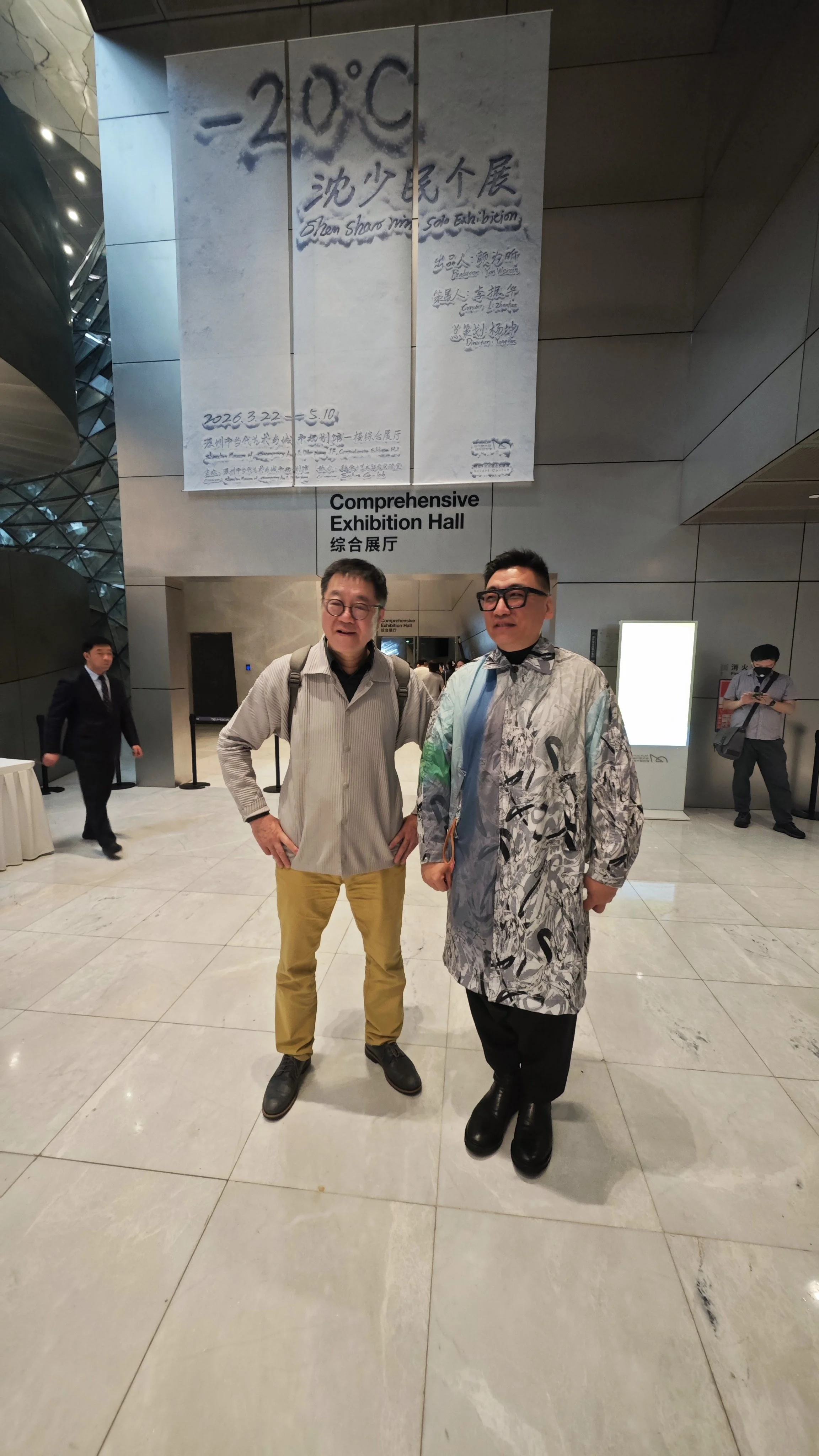
Regarding the exhibition ‘Minus twenty degrees,’ I believe Shuang Xuetao's words best capture its inner calm amidst the blizzard: ‘Above all, we must be kind; secondly, honest; and thirdly, never forget one another.’ —Fyodor Dostoevsky, The Brothers Karamazov
Li Zhenhua
Written in Turin, 13 January 2026